


These peptides are freeze-dried, a process that helps support shelf life while preserving the purity and integrity of the peptides during storage.
Every product is supported by batch-specific documentation so researchers can review purity, identity, and quality information before use.
Our research peptide products are offered in a 99%+ research-grade purity format and are tested to confirm quality, identity, and consistency.
Product Overview
Product Information
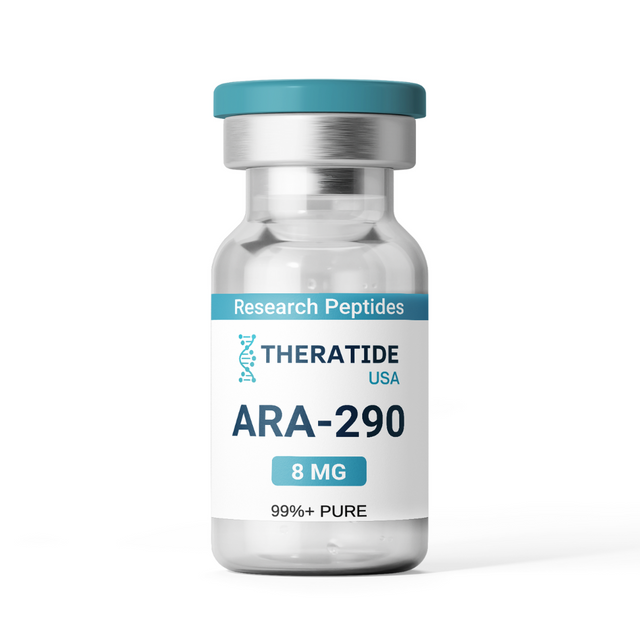
Compound: ARA‑290 (Cibinetide), non‑erythropoietic EPO‑derived peptide, 11‑amino acid helix B surface peptide
Form: Lyophilized powder, ≥95‑99 % purity, stored at ≤ –20 °C :contentReference[oaicite:1]{index=1}
For laboratory research only—NOT for human or veterinary use.
COA (Certificate of Analysis)
Batch-specific COA confirms purity ≥95–99 % (HPLC). COA available upon request—email providers@theratideusa.com.
Research
- Neuropathic pain relief: Binds tissue-protective innate repair receptor (IRR), inhibits TRPV1, and alleviates mechanical hypersensitivity in animal models :contentReference[oaicite:2]{index=2}.
- Sarcoidosis & small-fiber neuropathy: Phase II RCT showed safety and reduced neuropathic pain, improved corneal nerve fiber density, physical function, and quality of life :contentReference[oaicite:3]{index=3}.
- Diabetic neuropathy: In type 2 diabetics, daily subcutaneous dosing improved HbA1c, lipid profiles, pain symptoms, and corneal nerve growth :contentReference[oaicite:4]{index=4}.
- Anti-inflammatory & tissue repair: Modulates macrophage activation, reduces IL‑6/IL‑12/TNF-α, promotes islet survival, neuroprotection, angiogenesis, and wound healing :contentReference[oaicite:5]{index=5}.
- Depression & CNS effects: Reverses chronic-stress-induced depressive behavior and microglial activation in mice via anti‑inflammatory pathways :contentReference[oaicite:6]{index=6}.
Evidence spans preclinical and clinical studies; no adverse hematopoietic effects reported.
FAQ
What is ARA‑290 used for?
Studied for neuropathic pain (e.g. sarcoidosis, diabetic neuropathy), depression, tissue repair, and metabolic support.
How does it work?
Activates tissue‑protective IRR (EPO receptor + CD131), blocks TRPV1 pain receptors, cytokine reduction, and reparative signaling.
What dosage was used clinically?
Typical dosing: 2 mg IV three times/week for neuropathy; 4 mg SC daily for diabetic neuropathy trials :contentReference[oaicite:7]{index=7}.
Any side effects?
Well-tolerated in trials with no major adverse effects or hematopoietic stimulation; mild injection-site reactions possible.
Storage & handling?
Store lyophilized ≤ –20 °C, protect from light and moisture, reconstitute before use.
Legal Disclaimer
For laboratory research only—not for human or veterinary use, nor as a dietary supplement.
Safety: Use appropriate lab equipment, follow storage protocols.
FDA Notice: These statements have not been evaluated by FDA. Not intended to diagnose, treat, cure, or prevent any disease.
Related Products
Related products
-
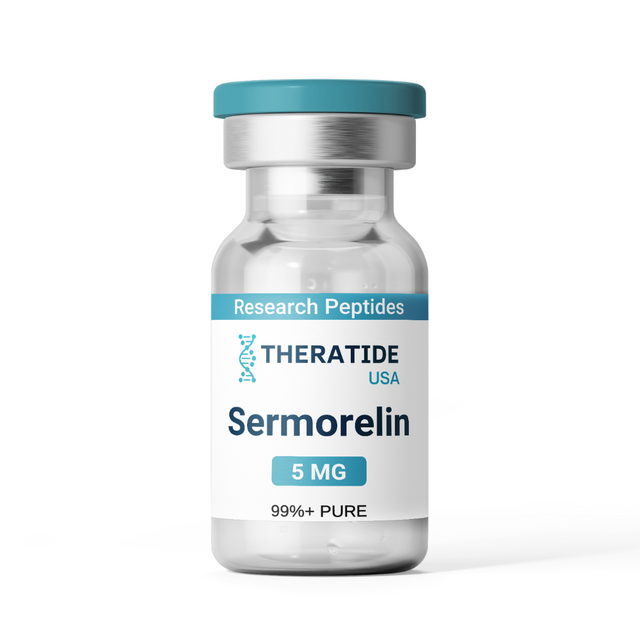
Sermorelin
$54.99 – $85.00Price range: $54.99 through $85.00
You save (%) -
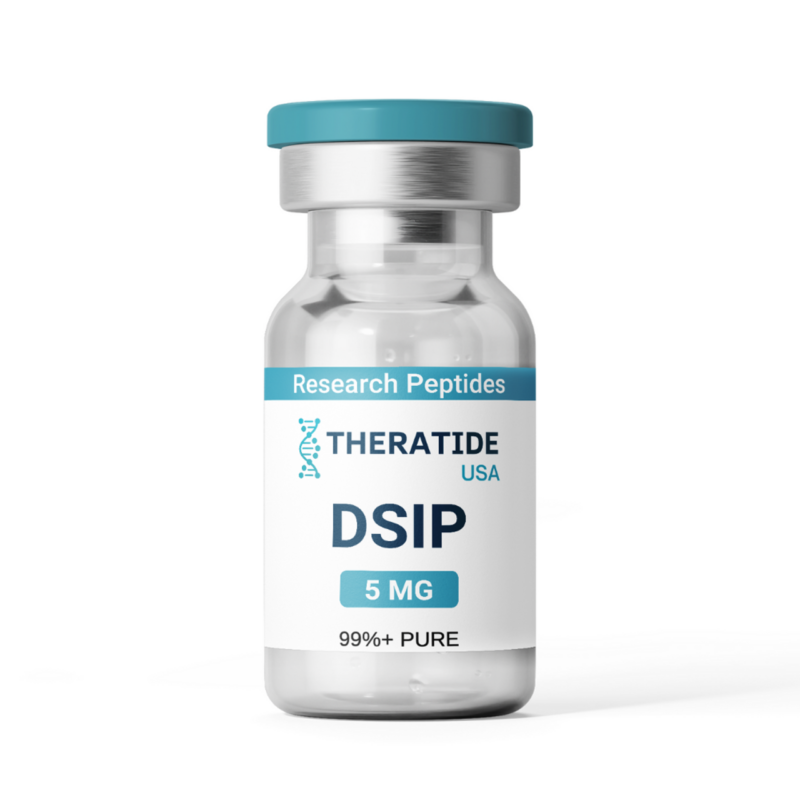
DSIP (Delta Sleep Inducing Peptide)
$58.00 – $90.00Price range: $58.00 through $90.00
You save (%) -
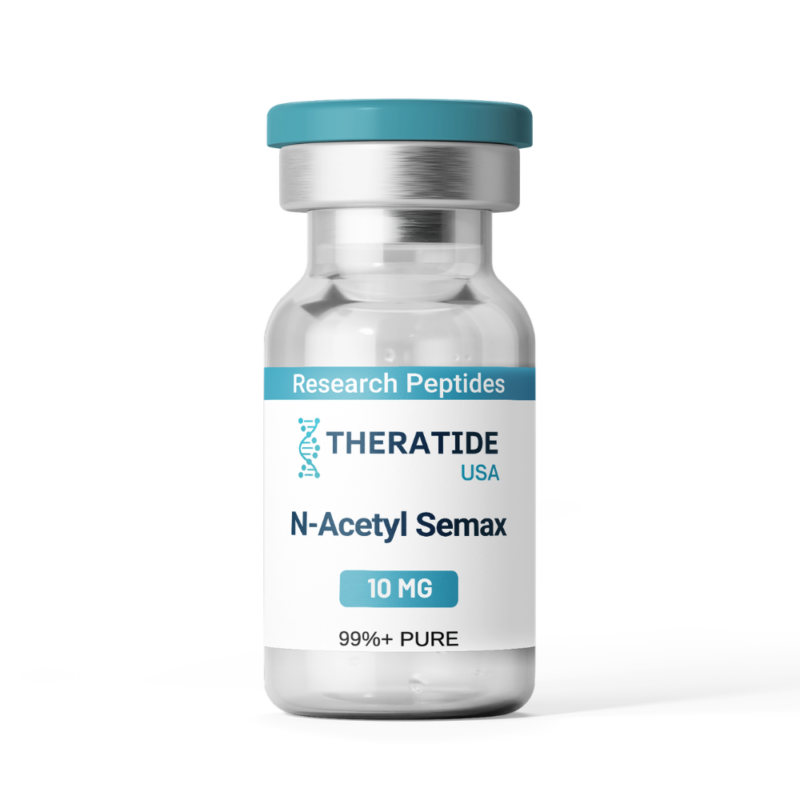
N-Acetyl Semax (10mg)
$44.00
You save (%) -
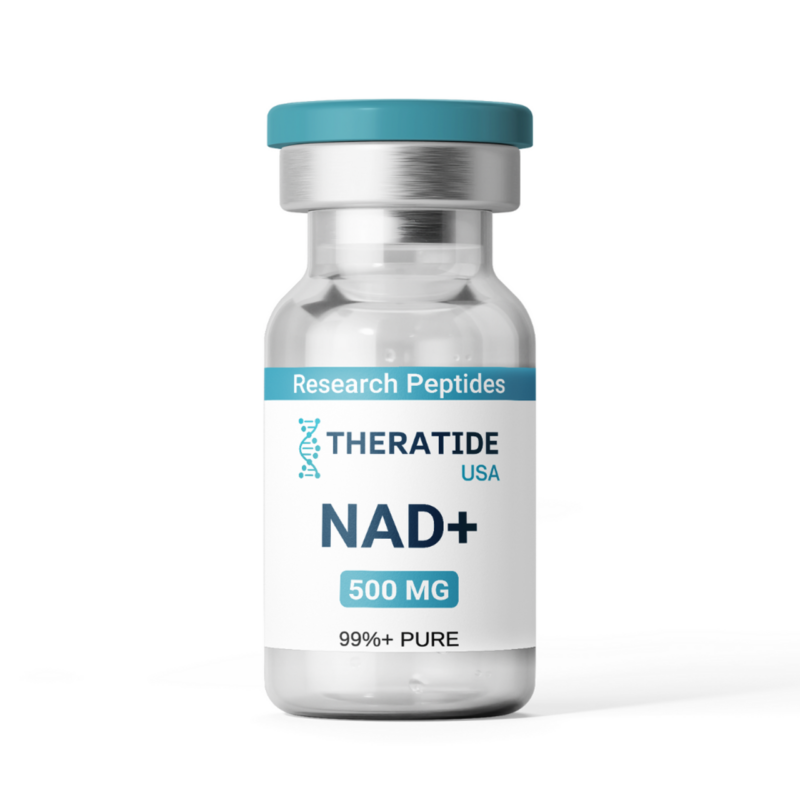
NAD+
$125.00 – $165.00Price range: $125.00 through $165.00
You save (%) -
Gastro Inflammation Research Formula (60 Capsules)
$269.99
You save (%)